Best-vitamins-for-postpartum-hair-loss-while-breastfeeding - Baby Blues

Best vitamins for postpartum hair loss while breastfeeding

At Baby Blues, we are committed to providing the highest quality postpartum vitamins and supplements, designed specifically to support new mothers through the recovery process. Our products are crafted with the finest, ethically sourced ingredients, ensuring that each supplement is safe, effective, and tailored to the unique needs of postpartum health and breastfeeding.

Best Vitamins Supplements for Postpartum Hair Loss Breastfeeding

Key Takeaways

  • Postpartum hair loss affects 90% of new moms and typically peaks around three months after delivery.
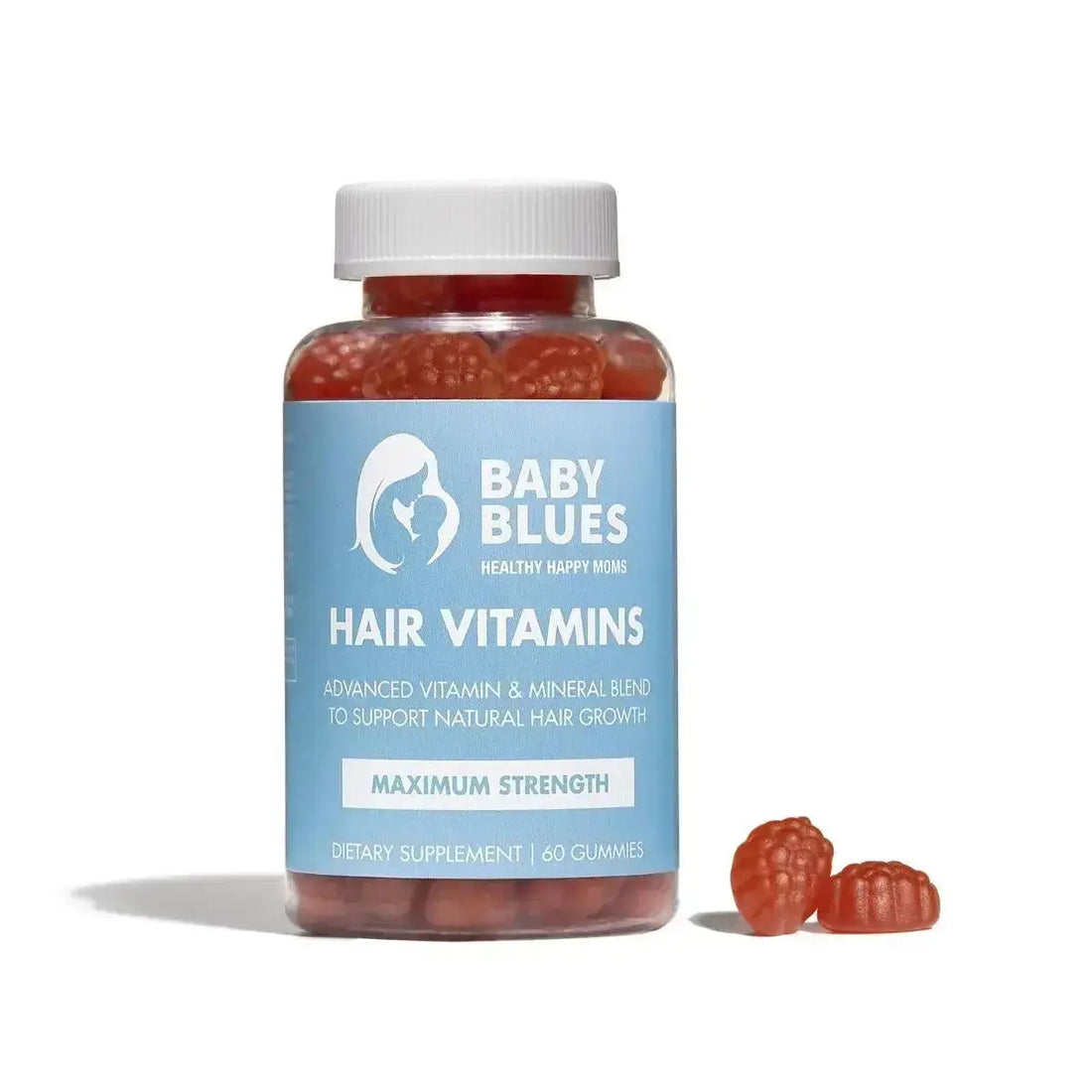
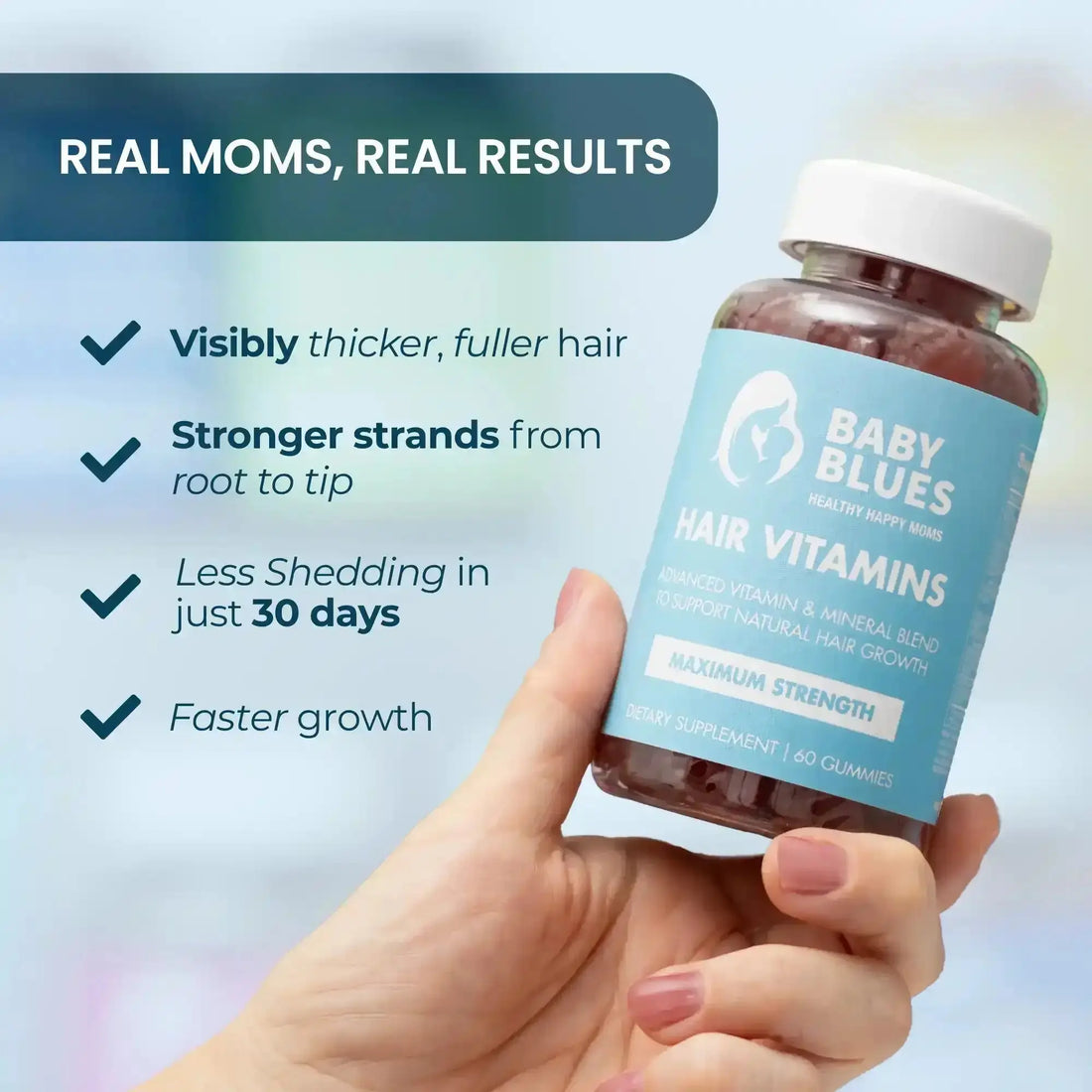
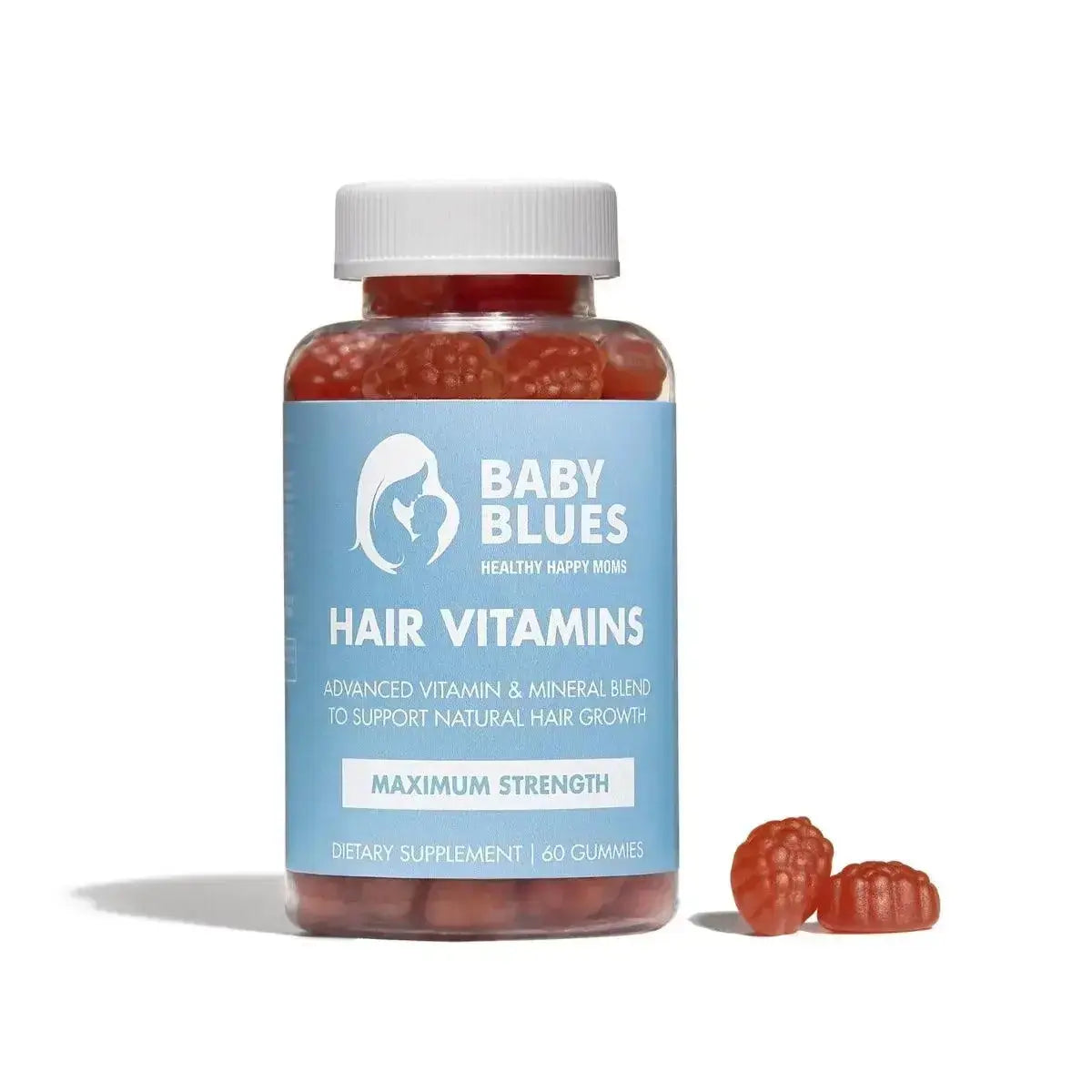
  • Baby Blues Postpartum Hair Loss Vitamins help minimize hair shedding and accelerate new growth, designed specifically for breastfeeding mothers.
  • Supplements, like our delicious Baby Blues vitamins, provide essential nutrients to promote stronger, healthier hair quickly.
  • Safe for nursing mothers, gluten-free, non-GMO, and naturally flavored with passion fruit — perfect for both postpartum and general hair health.
Postpartum Hair Loss Vitamins

Why Focus on Postpartum & Breastfeeding Hair Care

Postpartum hair loss is a natural part of recovery for most new moms. As hormone levels shift and your body adjusts to breastfeeding, many women experience noticeable hair shedding, often followed by fragile new growth, also known as "flyaways." At Baby Blues, we understand this journey and offer products tailored specifically for postpartum hair regrowth.

Our Baby Blues Postpartum Hair Loss Vitamins are specially formulated to replenish the essential nutrients breastfeeding moms often lack. This helps restore your hair’s strength, thickness, and overall health. We believe that proper postpartum care includes not just physical recovery but mental and emotional wellness and having healthier hair can be part of that journey

What Causes Postpartum Hair Loss & Flyaways

  • Hormonal shifts — Elevated estrogen levels during pregnancy keep hair in the growth phase, but after childbirth, estrogen drops quickly, causing many hairs to shed.
  • Nutrient depletion — Pregnancy and breastfeeding significantly increase your nutritional demands. Deficiencies in essential vitamins and minerals, such as iron, zinc, and vitamin D, can lead to slower hair regrowth.
  • Stress, sleep disruption, and lifestyle changes — Caring for a newborn can make it difficult to rest, leading to stress that can further impact hair health.
  • Haircare challenges and breakage — New, fragile hair is more prone to breakage and flyaways. Proper nutrition and gentle haircare are key to supporting recovery.

Postpartum hair loss is a normal part of the process, but it doesn’t have to last forever. With the right care and nutritional support, hair can start growing back stronger and healthier over time.

Why Vitamins & Supplements Matter (But Don’t Work Miracles)

While supplements can support postpartum hair recovery, they aren’t miracle workers. They are designed to fill in the gaps where diet and lifestyle might fall short, especially after childbirth and during breastfeeding.

Our Baby Blues Postpartum Hair Loss Vitamins contain key ingredients that help strengthen and nourish hair follicles, supporting the regrowth of thicker, healthier hair. They work by providing essential nutrients that support the body's natural processes, rather than forcing instant results.

The most effective results are seen over several months, especially when used as part of a comprehensive postpartum care plan that includes proper nutrition, stress management, and gentle hair care practices.

Recommended Supplement Types & Their Role

Biotin & B-Vitamins (Vitamin B7 and other B’s)

Biotin is often marketed for hair growth, and for good reason. It helps maintain and support healthy hair growth by stimulating keratin production in hair follicles. While biotin supplementation can be effective for those with deficiencies, it’s important to manage expectations — it works best when there is a documented deficiency in your diet.

Our Baby Blues Postpartum Hair Loss Vitamins provide biotin along with other B-vitamins like B12 and B6 to enhance hair regrowth and support overall scalp health.

Mineral + Multi-Vitamin Support (Zinc, Vitamin D, Protein)

The demands of breastfeeding and postpartum recovery leave many mothers deficient in vital nutrients. Zinc, vitamin D, and protein are essential for healthy hair growth, follicle strength, and cell turnover. Our Baby Blues Postpartum Hair Vitamins are carefully formulated to replenish these nutrients and promote optimal hair recovery.

Gut & Scalp Health Support (Probiotics & General Wellness)

Gut health has a significant impact on nutrient absorption and inflammation. Probiotics help restore a balanced gut microbiome, which in turn supports better nutrient uptake and overall scalp health. This can lead to stronger, healthier hair.

While we do not include probiotics directly in our postpartum vitamins, we encourage you to integrate them into your routine to support your overall wellness.

Cosmetic-Support Supplements (Collagen Precursors, Mild Hair-Support Formulas)

Collagen and keratin are key proteins in hair structure. Adding collagen and other amino acids can help improve hair thickness and elasticity, especially after childbirth when the body’s collagen stores may be lower.


Hair Shedding Phase vs Hair Flyaway / Regrowth Phase

Shedding Phase (2–6 months postpartum)

During the shedding phase, many new moms experience a significant amount of hair loss. This is primarily due to hormonal shifts after childbirth, causing hairs to move from the growth phase into the shedding phase. At this point, the focus should be on replenishing nutrient stores, preventing further damage, and promoting healthy hair regrowth.

Regrowth / Flyaway Phase (6–12+ months)

As hair starts to regrow, new strands often appear as fine, delicate “flyaways.” This phase is about supporting the growth of these new hairs and preventing breakage. Focus on strengthening your hair and nourishing your scalp to encourage the growth of thicker, healthier hair over time.

How Baby Blues Approaches Postpartum Hair Recovery

At Baby Blues, we’re committed to helping new mothers recover from postpartum hair loss. Our approach integrates the right nutritional support, haircare habits, and realistic expectations for long-term success. Here’s how we help:

  1. Nutritional assessment & postpartum vitamin stack — We begin with core nutrients like zinc, biotin, and vitamin D to support overall health and hair recovery.
  2. Gentle haircare routines — We advise on gentle haircare practices that reduce breakage, such as using wide-tooth combs and avoiding excessive heat styling.
  3. Realistic timelines & education — We help set expectations for the recovery process and guide you through the phases of hair regrowth.

Holistic wellness support — We integrate stress management, sleep, hydration, and diet into your postpartum recovery plan for the best hair results.

FAQs

Is postpartum hair loss normal and does it always require supplements?

Yes, postpartum hair loss is very common and generally temporary. Not every mother requires supplements many can recover naturally with a balanced diet and gentle haircare.

Are hair vitamins safe while breastfeeding?

Yes, most hair vitamins are safe while breastfeeding, but always check labels for breastfeeding‑friendly formulations. Our Baby Blues Postpartum Hair Loss Vitamins are safe and designed specifically for breastfeeding mothers.

How long until I see improvement?

You can expect gradual improvement over several months. Many mothers notice shedding slowing down around 3 to 6 months postpartum, and hair regrowth may take 6–12 months or more.

Can I just rely on diet and skip supplements?

If your diet is well-rounded and nutrient-dense, you may not need supplements. However, supplements can provide a helpful boost when breastfeeding demands exceed what diet alone can supply.