


Postpartum hair loss is one of those things that can make a new mom feel a little less than glamorous during an already challenging time. It's completely normal for hair to shed after giving birth, thanks to hormonal shifts, but that doesn’t make it any less frustrating when strands seem to be everywhere. But here’s the good news: postpartum hair loss is temporary, and it will grow back. While you wait for your hair to return to its pre-pregnancy shine, finding the right haircut can help you feel more confident and less concerned about thinning spots. Below, we’ll walk you through some of the best haircuts for postpartum hair loss, tips for maintaining your hair health, and a few other helpful tricks that can make this time a little easier to manage.
Why Does Postpartum Hair Loss Happen?
Before we dive into the best haircuts for postpartum hair loss, it's important to understand why it happens in the first place. During pregnancy, your body produces higher levels of estrogen, which can make your hair appear thicker and fuller. However, after you give birth, estrogen levels drop, which causes your hair to shed more than usual. This is completely normal and happens to most women.
The condition that most commonly causes postpartum hair loss is called telogen effluvium also known as “the great shedding.” During pregnancy, many of your hair follicles stay in the growing phase, but after childbirth, these follicles are pushed into the shedding phase. The shedding usually starts around 3-4 months postpartum and can last for up to 6-12 months before your hair regrows naturally.
However, if you notice excessive hair loss or it continues for longer than a year, it’s a good idea to consult with a healthcare provider to rule out other issues like thyroid problems or nutritional deficiencies.
Best Haircuts for Postpartum Hair Loss
One of the most effective ways to manage postpartum hair loss is by choosing a haircut that helps camouflage thinning spots and adds volume. The right haircut can make a huge difference in how you feel about your appearance while waiting for your hair to recover. Here are some of the best haircuts for postpartum hair loss that work wonders for most moms:
1. Blunt Bob: A Bold, Chic Look
A blunt bob is an excellent haircut for postpartum hair loss because it helps create the illusion of volume. This style cuts the hair into a straight, sharp line, often right above the chin or at jaw-length, and it can make thin or flat hair appear fuller. If you’ve noticed thinning hair around the edges or the crown of your head, a blunt bob will add structure, keeping your hair looking sharp and chic.
You can ask your stylist to add a bit of texture to the ends for a softer look. The best part about the blunt bob? It’s low maintenance and easy to style. Whether you let it air-dry for a relaxed look or use a round brush to add a little volume, the blunt bob can be styled in a way that suits your busy mom life.
Pro tip: Use a volumizing mousse at the roots for an extra lift!
2. Textured Pixie Cut: Short and Sassy
If you're ready for a major change, a pixie cut can be the perfect solution. Pixie cuts are shorter styles that often include layers to create volume and texture. They work exceptionally well if you're dealing with thinning around the crown or hairline. A textured pixie cut adds lift to the scalp, which helps hide thinning spots.
The pixie cut also has the benefit of being incredibly low-maintenance. A quick towel-dry, some product, and you're done making it the perfect cut for new moms who are short on time. It’s also great for those who want a sassy, bold look that doesn’t require a lot of styling.
Pro tip: If you want to add more volume, use a lightweight texturizing spray to add some body and shape.
3. Long Layers: More Volume, Less Frizz
If you’re not quite ready to part with your long hair, long layers are a fantastic way to add volume and dimension while masking thinning spots. Adding layers to long hair creates movement and gives the illusion of fullness. Layers are especially helpful if you have hair that’s starting to look flat or lifeless after childbirth.
This style works particularly well if you have fine or straight hair, as the layers provide more volume without making your hair look too thick or heavy. To maximize the volume, use a round brush while blow-drying or try adding some soft curls for a fuller appearance.
Pro tip: For extra volume, apply a root-lifting spray to the roots before blow-drying.
4. Shaggy Lob: Stylish and Low-Maintenance
The shaggy lob, or long bob, is a perfect choice for those who want a fun, trendy look with minimal effort. The shaggy lob is often cut with layers and soft, wispy ends that add texture and make your hair look thicker. This cut is especially helpful if your hair is thinning in certain areas, as the layers and waves create movement and distract from thinning spots.
The best part about the shaggy lob is that it’s extremely versatile; you can wear it straight for a sleek look, or tousle it with some texturizing spray for a relaxed, beachy vibe.
Pro tip: Add some sea salt spray for that tousled, "I woke up like this" look.
5. Shoulder-Length Cut with Side-Swept Bangs
If you're dealing with thinning around your forehead or at your hairline, shoulder-length cuts paired with side-swept bangs can help frame your face and conceal any patchy areas. The bangs create a soft, flattering line across your forehead, while the shoulder-length cut adds fullness around the neck and shoulders.
Bangs are great because they also draw attention to your eyes and cheekbones, shifting the focus away from any thinning areas. Depending on your face shape, you can try different types of bangs, such as curtain bangs, wispy bangs, or more dramatic side-swept bangs.
Pro tip: Use a light-hold hairspray to keep your bangs in place throughout the day without weighing them down.
6. Soft Curls or Waves: Adding Volume and Texture
If you have natural curls or are willing to add some with a curling iron, soft curls or waves can help conceal thinning areas and add volume. Curls create texture and bounce, which can make hair look fuller, especially around the crown. This is a great style for those who want to embrace their natural texture or add a bit of body to straight hair.
Curly hair naturally adds more lift and movement, which is why it’s such a great choice for postpartum hair loss. Plus, it’s relatively easy to maintain curling your hair every few days can be enough to keep it looking voluminous.
Pro tip: Use a curl-enhancing cream to define the curls without causing frizz.
7. Curtain Bangs with a Center Part
Curtain bangs are a trendy and flattering way to cover thinning around the forehead. These bangs are parted in the center and gradually blend into the rest of your hair, creating a soft, airy look. Curtain bangs work especially well if you have longer hair because they add a touch of freshness without requiring you to cut too much length off.
This hairstyle is versatile and can be paired with almost any length or texture of hair, whether it’s sleek and straight or textured and wavy.
Pro tip: If you're growing out your bangs, curtain bangs are a great transitional style that allows you to maintain your desired length while adding a fun new element.
Tips for Maintaining Hair Health During Postpartum
Ready to take control of your postpartum hair journey?
Explore our Baby Blues Postpartum Hair Vitamins today to support your hair regrowth with biotin, collagen, and essential nutrients designed specifically for new moms. Whether you're looking for a stylish haircut or a boost to your hair health, we've got your back. Your hair will bounce back – and so will you!Shop Now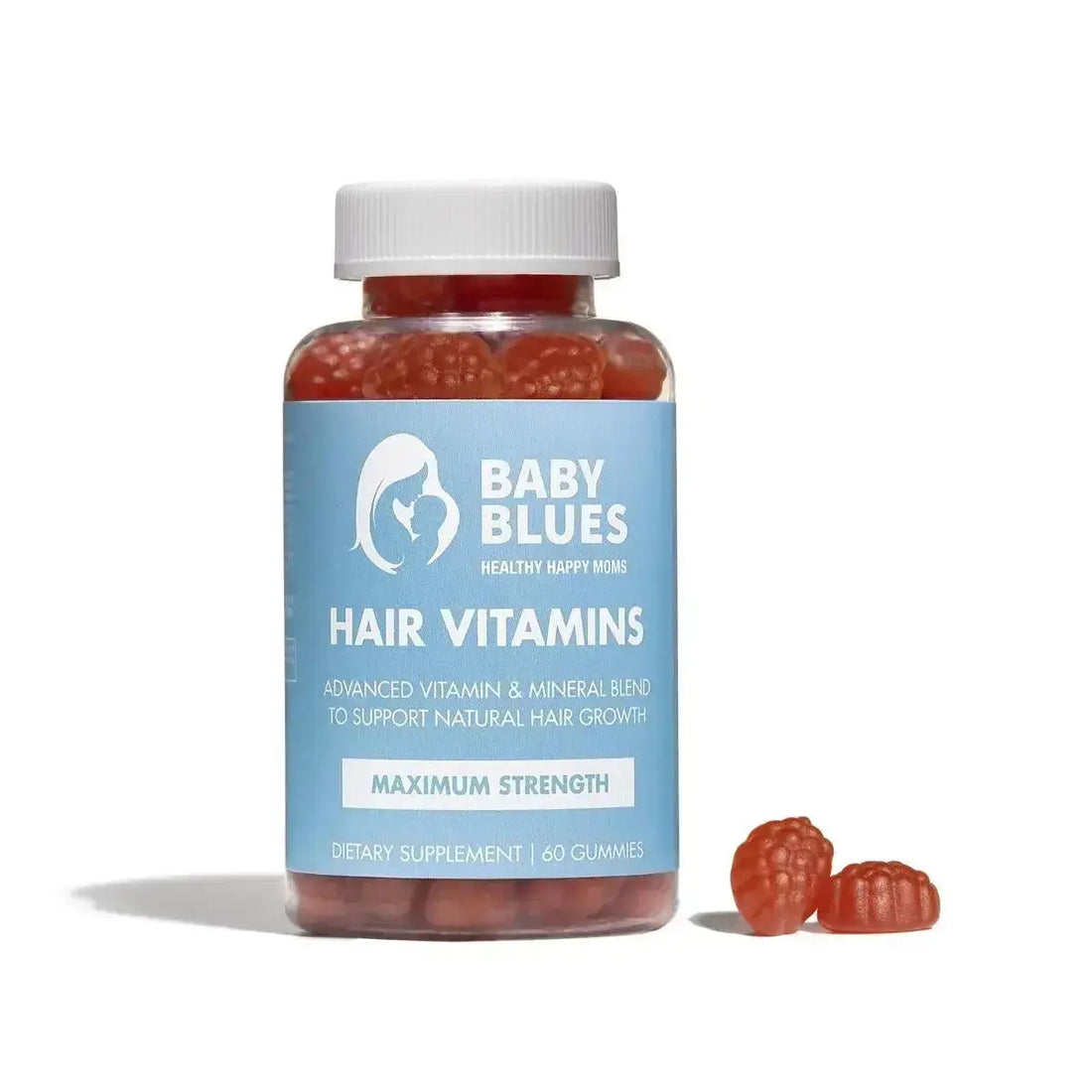
-
Use Gentle Hair Care Products: Opt for sulfate-free shampoos and conditioners that won't strip your hair of natural oils. Gentle products are essential for postpartum hair since the follicles are in a delicate state.
-
Avoid Excessive Heat Styling: Limit the use of hot tools like flat irons and curling irons to prevent further damage to your hair. When you do use them, always apply a heat protectant.
-
Consider Postpartum Hair Vitamins: Postpartum hair vitamins, like Baby Blues' Postpartum Hair Vitamins, contain key ingredients such as biotin, collagen, and other nutrients that promote hair health and regrowth.
Pro tip: Be sure to hydrate your scalp with moisturizing oils to keep your hair follicles nourished as your hair regrows.
The Role of Postpartum Hair Vitamins
In addition to your new haircut, you can accelerate the regrowth process with the right postpartum hair vitamins. These vitamins contain vital nutrients that help support your hair's natural growth cycle and strengthen the follicles. Baby Blues Postpartum Hair Vitamins are formulated specifically for new moms, with a blend of biotin, collagen, and essential vitamins that can help bring your hair back to its pre-pregnancy glory.
Pro tip: Take your postpartum hair vitamins consistently for the best results, and don’t forget to pair them with a healthy diet rich in vitamins and minerals.
When to See a Doctor for Postpartum Hair Loss
While postpartum hair loss is normal, there are times when it’s a good idea to consult with a doctor. If you experience excessive shedding beyond the first year postpartum, or if the shedding is concentrated in specific areas, it could be a sign of an underlying health issue, such as thyroid problems or nutritional deficiencies.
Pro tip: If you're concerned about your hair loss, it's always best to consult a dermatologist to rule out any other conditions.
Conclusion
Postpartum hair loss is a temporary phase, and while it may be frustrating, it doesn't define your beauty. By choosing the right haircut, maintaining a healthy hair care routine, and adding postpartum hair vitamins to your regimen, you can boost your confidence while your hair grows back stronger and healthier. You’ve got this your hair will return to its full glory, and in the meantime, you can enjoy a fresh new style that makes you feel fabulous.


