


The postpartum period is a time of great change, both physically and emotionally. It’s normal to experience a range of emotions after childbirth, but for many new moms, these emotions can escalate into something more serious: postpartum depression (PPD). While the "baby blues" are common, affecting many women in the weeks following delivery, PPD is a more intense and lasting form of depression. The good news is, there are steps you can take to minimize the risk of postpartum depression and take care of your mental health.
In this article, we’ll explore ways to minimize postpartum depression, from self-care to professional help, and provide you with practical advice you can start using today.
1. Understanding Postpartum Depression
Postpartum depression is a mental health condition that affects many new mothers, causing deep sadness, anxiety, and a sense of being overwhelmed. Postpartum depression can persist and interfere with a mother’s ability to care for herself or her baby. It can manifest in feelings of sadness, irritability, hopelessness, and a loss of interest in everyday activities.
Symptoms to Watch For
Some common symptoms of postpartum depression include:
- Persistent sadness or crying
- Feeling disconnected from your baby
- Extreme fatigue or loss of energy
- Difficulty sleeping or sleeping too much
- Loss of appetite or overeating
- Thoughts of harming yourself or the baby (if these occur, seek immediate professional help)
If you experience any of these symptoms for more than two weeks, it’s important to reach out to a healthcare provider for support.
2. Early Detection and Awareness
The sooner postpartum depression is recognized, the sooner it can be treated. Being aware of the symptoms early allows you to take proactive steps to manage your mental health. It’s easy to dismiss feelings of sadness or frustration as part of the new mom experience, but understanding that PPD is more than just the “blues” can make a big difference in your recovery.
How to Track Your Mental Health
One of the best ways to stay on top of your mental health is by tracking your mood and emotions. You can do this by journaling, using a mood tracking app, or simply talking to a trusted friend or family member. Recording your feelings can help you notice patterns and alert you to potential issues before they become overwhelming.
3. Nutrition and Diet for Mental Health
What you eat can have a profound impact on your mental health. Proper nutrition helps balance hormones, boost energy, and improve mood. Many new moms experience nutrient deficiencies after giving birth, which can contribute to feelings of depression or anxiety. Ensuring that you’re getting a balanced diet rich in vitamins and minerals can help you feel better both physically and emotionally.
Key Nutrients to Focus On
Certain nutrients are particularly beneficial for mental health during the postpartum period:
-
Omega-3 fatty acids (found in salmon and flaxseeds) help reduce inflammation and support brain health.
-
Folic acid (found in leafy greens) plays a key role in mood regulation.
-
B vitamins (found in whole grains and lean meats) are essential for energy and emotional balance.
Consider incorporating these foods into your diet for a natural mood boost. Additionally, taking a postpartum vitamin supplement, like Baby Blues' Postpartum Hair Vitamins, can help fill in nutritional gaps.
4. Sleep and Rest: Prioritizing Your Well-Being
Sleep deprivation is one of the most significant contributors to postpartum depression. When you’re sleep-deprived, your body doesn’t have the chance to recharge, and your mental health can take a toll. Sleep is essential for regulating emotions, restoring energy, and giving your brain the time it needs to process all the changes you're experiencing.
Tips for Better Sleep
While getting enough sleep as a new mom can be challenging, there are ways to make it easier:
-
Sleep when your baby sleeps: If you can, take advantage of your baby’s nap times and rest, even if it’s just for a short while.
-
Establish a bedtime routine for your baby: Creating a consistent sleep schedule for your baby can help everyone in the house sleep more soundly.
-
Nap-sharing with a partner: Take turns with your partner so both of you can get some much-needed rest.
Want to Get Better Sleep & Avoid Depression?
If you're looking for ways to support your sleep during this busy time, check out Baby Blues’ Sleep Vitamins, a chewable melatonin gummy that can help improve your sleep quality, so you feel more rested and ready to tackle the day. And as always, feel free to reach out to our community for support. You’ve got this, and we’re here to help!
Buy Now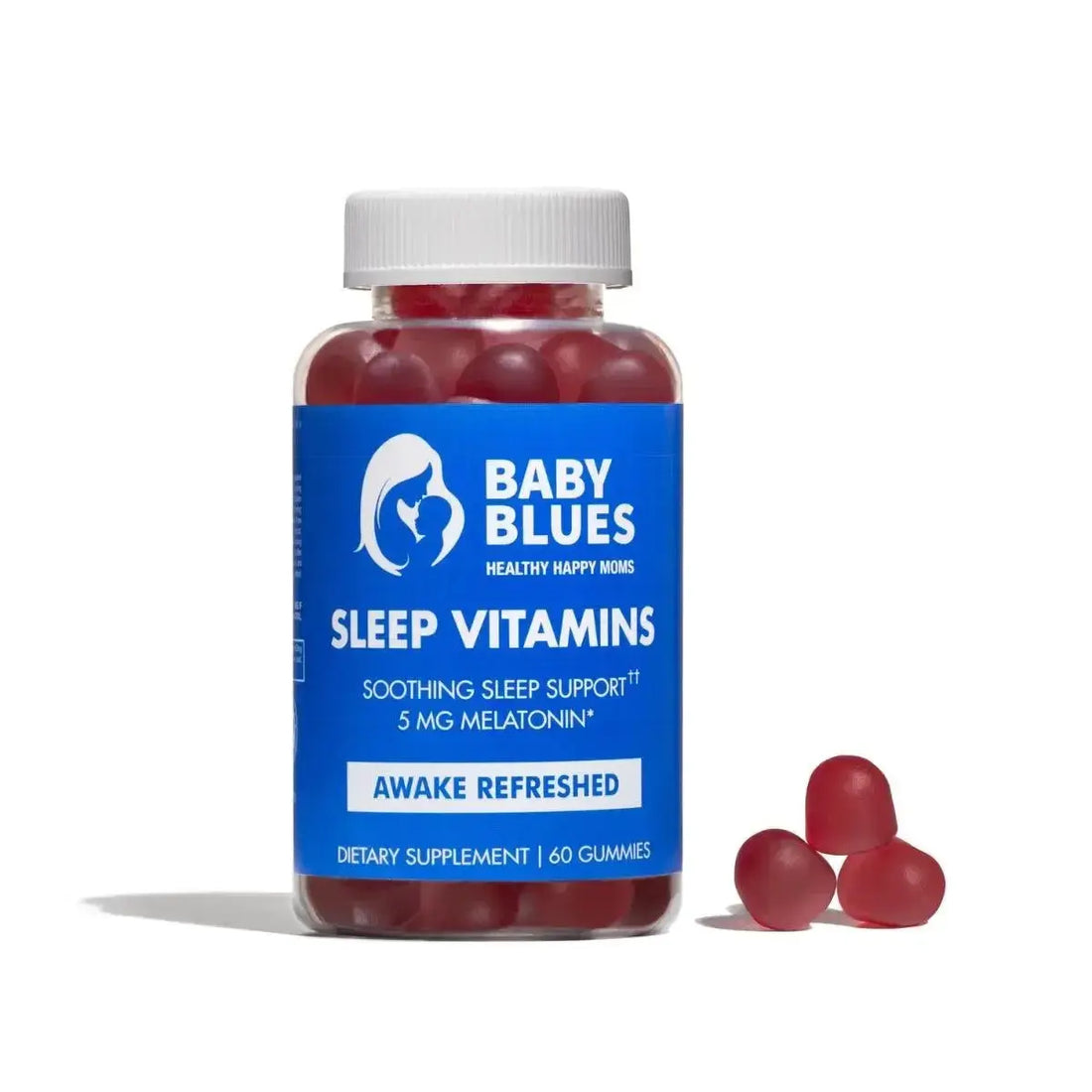
If you're still struggling with sleep despite your best efforts, supplements like Baby Blues' Vitamin D3 Gummies can help support your mood and overall mental health. Vitamin D deficiency is often linked to increased depression symptoms, and the Brightside Vitamin D3 Gummies provide an easy and delicious way to support your emotional health. With 1,000 IU of vitamin D3 per serving, these gummies are formulated to help balance your mood and strengthen your immune system during postpartum recovery.
You don’t have to take a pill, these gummies are easy to chew, gluten-free, and a great way to get the vitamin D your body needs.
5. The Power of Social Support
Having a strong support system can make a huge difference in your mental health during the postpartum period. Whether it’s your partner, family, friends, or online support groups, having people to lean on can provide emotional relief and practical help when you’re feeling overwhelmed.
Reaching Out: Don’t Be Afraid to Ask for Help
Many new moms feel hesitant to ask for help, thinking they should be able to do it all on their own. But it’s important to remember that it’s okay to lean on others. Don’t hesitate to ask a friend or family member to help with baby care, meal prep, or household chores so you can take a break.
Communicating Your Needs
Sometimes, asking for help can feel awkward, but it’s a crucial step in taking care of yourself. Let your partner, family, or friends know what you need whether it’s emotional support or practical help. The more open you are, the easier it will be for others to help you.
6. Physical Activity for Mental Health
Exercise is a powerful tool for improving mood and mental health. When you exercise, your body releases endorphins, natural chemicals that improve mood and reduce stress. Even light physical activity can make a big difference in how you feel.
Start Small: Gentle Movements
As a new mom, you may not feel up to intense workouts right away. Start with gentle activities like walking with your baby in the stroller, or try gentle postpartum yoga. These movements help improve circulation, reduce stress, and can boost your mood.
Finding Time for Exercise
Fitting in exercise might seem impossible when you’re managing a newborn, but it’s worth making the effort. Try to find small pockets of time when you can move, perhaps during baby’s nap time or when your partner is home to help with the baby. It doesn’t have to be long or intense to be effective.
7. Professional Help and Therapy
If you notice that your feelings of sadness or anxiety persist for weeks or become overwhelming, it’s time to seek professional help. Postpartum depression is a serious condition, and it’s important to get the support you need. Therapy, counseling, or medication can all be helpful in treating PPD.
Therapy Options for New Moms
Many moms find that therapy can provide a safe space to talk about their feelings and get the support they need. Cognitive-behavioral therapy (CBT) is a common type of therapy that can help you reframe negative thoughts and manage your emotions more effectively. Online therapy or support groups may also be a convenient option for busy moms.
8. Practical Tips to Avoid Overwhelm
A flexible routine can help manage the chaos that often accompanies new motherhood. By establishing a basic schedule for feeding, naps, and bedtime, you can gain a sense of control and reduce anxiety. Keep in mind that flexibility is key, things don’t always go according to plan, and that’s okay.
Time Management for New Moms
Balancing baby care with other responsibilities can feel overwhelming, but breaking tasks into smaller steps can make them more manageable. Use a timer or make a list of priorities to stay on track without feeling too overwhelmed.
Setting Boundaries and Saying No
As a new mom, you might feel like you have to say yes to everything whether it’s family visits, hosting guests, or taking on extra responsibilities. But learning to say no when you’re feeling stretched thin is essential for your mental health.
9. The Role of Self-Compassion
It’s easy to be hard on yourself, especially in the early days of motherhood. But it’s important to practice self-compassion and give yourself grace. You’re learning as you go, and perfection is not the goal. Taking care of yourself is just as important as taking care of your baby.
Reframing Negative Thoughts
If you find yourself thinking negative thoughts, try to reframe them. For example, instead of thinking “I’m a bad mom because I’m tired,” try “I’m doing my best, and I need rest to be my best.” Small shifts in your mindset can make a big difference in how you feel.
10. Preventing Postpartum Depression: A Holistic Approach
Preventing postpartum depression is all about balance. By focusing on proper nutrition, rest, exercise, and social support, you can reduce the likelihood of experiencing PPD. Remember, your mental health matters just as much as your physical health.
Encouraging Open Conversations About Mental Health
Finally, it’s important to continue normalizing conversations about postpartum depression. Don’t be afraid to talk about your feelings, whether with your partner, a therapist, or a support group. The more we share, the easier it becomes to seek help when we need it.
Conclusion
Postpartum depression is a common and challenging experience for many new mothers, but it doesn’t have to define your journey. By prioritizing your mental health, reaching out for support, and taking care of your physical and emotional well-being, you can reduce the risk of PPD and thrive as a new mom.
Remember, you are not alone in this. If you're struggling, don't hesitate to seek help from a professional. With time, self-care, and support, you will find your way through this challenging season.


