


Gut health is no longer a niche wellness topic. It sits at the center of digestion, immunity, mood, and daily energy. When the gut is off, everything can feel harder. Probiotics have become one of the most talked about tools for restoring balance, yet many people still feel unsure about what they actually do or whether they are worth taking.
This guide breaks down probiotics, what they are, their benefits, and side effects in a clear, research backed way. No hype. No complicated science language. Just practical information so you can decide what makes sense for your body and your routine.
What Are Probiotics?
Probiotics are live microorganisms, usually bacteria, that support the balance of your gut microbiome. Your digestive system naturally contains trillions of bacteria. Some help digestion, immune function, and nutrient absorption. Others can contribute to discomfort when they grow out of balance.
Probiotics work by supporting the beneficial bacteria already present in your gut. They help crowd out less helpful bacteria and reinforce a healthier digestive environment.
You can get probiotics from fermented foods like yogurt, kefir, sauerkraut, and kimchi, or from supplements designed to deliver specific strains in consistent amounts.
It is important to note that probiotics are not medications. They do not force change. They support the body’s natural processes when used consistently.
How Probiotics Work in the Body
Once consumed, probiotics interact with your gut lining and existing bacteria. Their effectiveness depends on the strain, how well they survive digestion, and how consistently they are taken.
Key ways probiotics support the body include:
- Reinforcing the gut barrier to reduce irritation
- Supporting regular digestion and stool consistency
- Helping the immune system respond appropriately
- Assisting with nutrient breakdown and absorption
- Influencing gut related neurotransmitters that affect mood
The gut and brain are deeply connected. This is often referred to as the gut brain axis. When gut bacteria are balanced, communication between the digestive system and nervous system tends to function more smoothly.
Consistency matters more than large doses. A moderate, daily probiotic routine is often more effective than occasional high doses.
Types of Probiotic Strains and Why They Matter
Not all probiotics work the same way. Different strains support different functions. This is why generic probiotic labels can be misleading.
Some probiotics require refrigeration and may lose potency over time. Others are shelf stable and designed to survive stomach acid more effectively.
Spore Forming Probiotics
Spore forming probiotics, such as Bacillus subtilis, are known for their durability. These strains form protective shells that help them survive digestion and reach the gut intact.
One well studied strain is DE111® Bacillus subtilis, which has been researched for digestive support and gut balance. Its stability makes it suitable for daily routines without complicated storage requirements.
Key Benefits of Probiotics
Digestive Balance and Regularity
Probiotics are best known for supporting digestion. They help reduce bloating, gas, and irregular bowel movements by promoting a healthier balance of gut bacteria. Many people notice improved comfort within a few weeks of consistent use.
Immune System Support
Approximately 70 percent of the immune system is linked to the gut. Probiotics help support immune response by reinforcing gut lining integrity and encouraging balanced immune signaling.
Nutrient Absorption
Even with a strong diet, nutrient absorption can suffer when gut health is compromised. Probiotics support the breakdown and absorption of key nutrients such as B vitamins, magnesium, and iron.
Hormonal and Metabolic Support
Gut bacteria play a role in how hormones are metabolized and eliminated. While probiotics do not directly regulate hormones, a balanced gut supports smoother metabolic and hormonal processing, which can be helpful during postpartum and high stress phases.
Ready to Support Your Gut Health?
Discover the power of probiotics with Baby Blues Probiotics — specially designed for new moms. Support your digestive health, boost your immunity, and improve your overall well-being.
Buy Now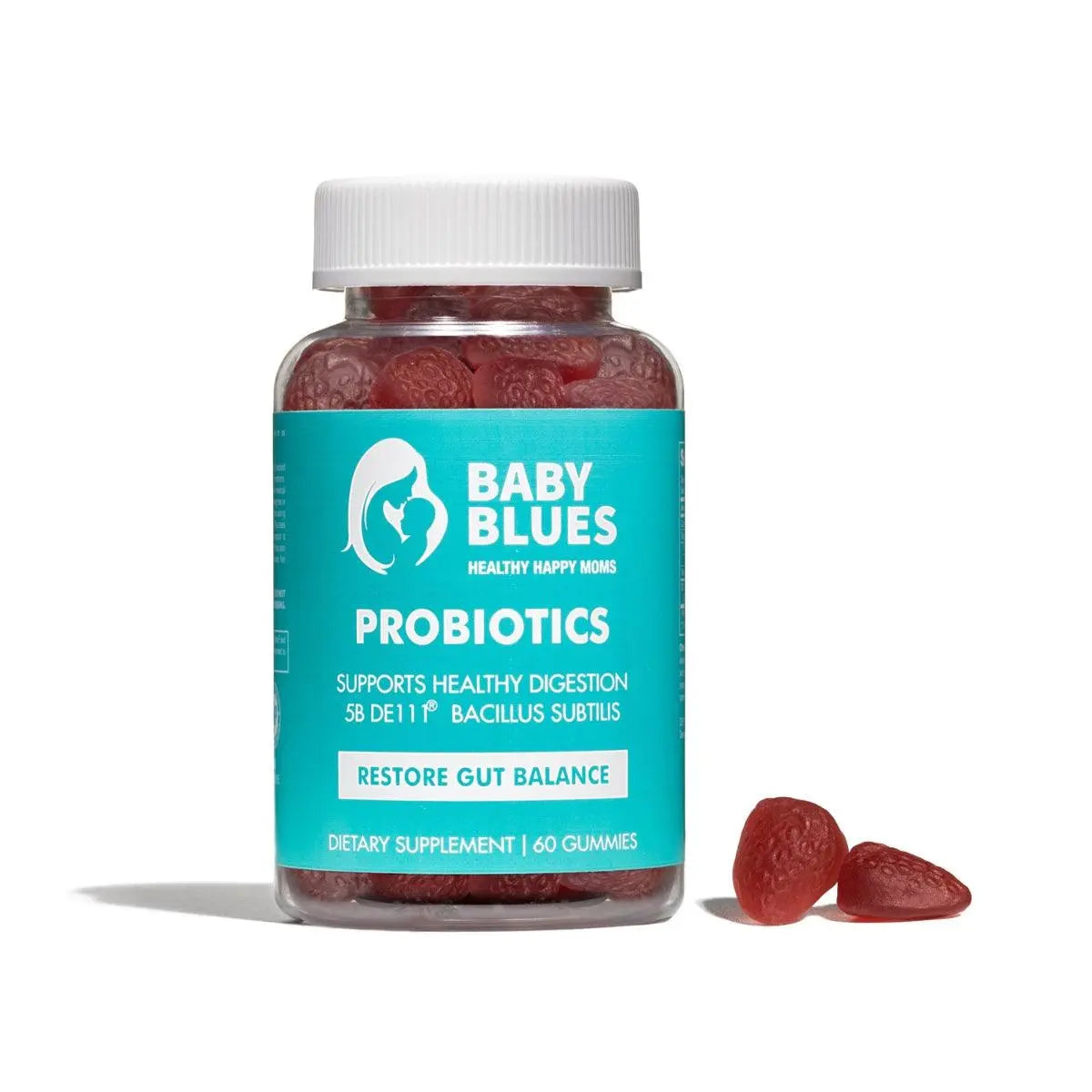
Mood and Mental Well Being
The gut produces and influences neurotransmitters such as serotonin. Supporting gut health may help regulate inflammation and stress responses that impact mood. Probiotics are not a replacement for mental health care, but they can be part of a supportive routine.
Probiotics for Postpartum and Busy Life Routines
Life after pregnancy places new demands on the body. Sleep disruption, stress, hormonal shifts, and dietary changes can all impact digestion. Gut routines can get thrown off quickly.
A gentle, routine friendly probiotic can help support digestive balance without adding complexity. The goal is not perfection, but consistency.
This is where simplicity matters most.
Possible Side Effects of Probiotics
Probiotics are widely considered safe and well tolerated, especially when taken as directed. Still, because they actively interact with your gut microbiome, some temporary changes can happen as your body adjusts. Knowing what is normal and what is not helps set realistic expectations and prevents unnecessary worry.
Common Short Term Side Effects
When starting probiotics, especially if your gut has been out of balance for a while, mild digestive changes can occur. These effects are usually temporary and often signal that the microbiome is adjusting.
Mild bloating
As beneficial bacteria begin to repopulate the gut, fermentation activity can increase briefly. This may lead to a feeling of fullness or pressure that typically fades within a few days.
Temporary gas
Gas can occur as bacteria break down fiber and other compounds in the digestive tract. This is usually short lived and improves as your gut adapts.
Changes in bowel movements
Some people notice changes in frequency or consistency at first. This may include slightly looser stools or more regular movements before settling into a steady pattern.
These symptoms usually resolve within several days to a week as your digestive system finds a new balance.
Who Should Be Cautious
While probiotics are safe for most people, certain individuals should be more cautious. Those with compromised immune systems, serious underlying medical conditions, or who are undergoing treatments that affect immune function should speak with a healthcare provider before starting probiotics.
This is not because probiotics are harmful, but because personalized guidance ensures the right strain and approach are used.
How to Minimize Side Effects
If you are sensitive or new to probiotics, a few simple strategies can make the transition smoother.
Start with a lower dose
Beginning slowly allows your gut to adapt without overwhelming the system.
Take probiotics with food
Food can buffer stomach acid and improve tolerance, reducing the likelihood of discomfort.
Choose clinically studied strains
Well researched strains are more predictable and tend to be better tolerated than generic blends.
How to Choose the Right Probiotic
Choosing a probiotic should feel straightforward, not overwhelming. The most effective products are not necessarily the ones with the longest ingredient lists, but the ones with thoughtful formulation.
A high quality probiotic should:
Clearly list the strain or strains
Specific strain identification matters. Different strains offer different benefits, and transparency shows quality.
Use clinically studied bacteria
Research backed strains provide confidence that the probiotic can survive digestion and deliver benefits.
Avoid unnecessary fillers or excessive sugars
Clean formulations reduce the risk of irritation and support daily use.
Fit into a daily routine without stress
A probiotic only works if you take it consistently. Ease matters.
For many people, gummies are a practical option. They eliminate capsule fatigue and make daily use feel more approachable, especially during busy or postpartum seasons.
Introducing Mom Probiotics by Baby Blues
Mom Probiotics by Baby Blues were designed to support gut balance without adding complexity to daily life. They are made specifically for moms navigating postpartum recovery, busy schedules, and changing routines.
Each serving is powered by DE111® Bacillus subtilis, a clinically studied probiotic strain known for its ability to survive digestion and support digestive balance. As a spore forming probiotic, DE111® is shelf stable and reliable for everyday use.
Mom Probiotics stand out because they are:
- Easy to take daily, no capsules required
- Gentle on digestion and routine friendly
- Formulated with an organic strawberry flavor
- Vegan, Non GMO, and gluten free
The goal is simple. Support digestive balance in a way that feels sustainable, not demanding.
Food Based Probiotics vs Supplements
Fermented foods like yogurt, kefir, kimchi, and sauerkraut can contribute beneficial bacteria along with additional nutrients. They are a valuable part of a balanced diet, but their probiotic content can vary significantly depending on preparation, storage, and serving size.
Supplements offer consistency. They provide targeted strains in reliable amounts, making them easier to use for daily gut support. For many people, supplements help fill gaps that food alone may not consistently cover.
Combining probiotic rich foods with a daily supplement like Mom Probiotics can offer both variety and dependable support.
How to Build a Simple Probiotic Routine
The most effective probiotic routine is the one you can maintain long term. Small, consistent habits lead to better results than occasional use.
- Take probiotics at the same time each day to build consistency
- Pair them with meals to support digestion and tolerance
- Stay hydrated to support gut movement and balance
- Focus on steady use rather than immediate results
Gut health improves gradually. Supporting it daily allows your body to adjust naturally and maintain balance over time.
Final Thoughts
Understanding probiotics, what they are, their benefits, and side effects allows you to make informed choices without pressure or trends.
Gut health influences far more than digestion. Supporting it with a simple, consistent routine can help you feel more balanced from the inside out.
Mom Probiotics offer a practical way to support gut health daily, especially during postpartum and busy life phases when simplicity matters most.


