


Postpartum hair loss is one of those things that many new moms expect but still catch them off guard. If you’re reading this, chances are you’re noticing more hair on your pillow, in the shower drain, or scattered around the house, and it’s probably causing you a lot of stress. But don’t panic, postpartum hair loss is a completely normal and temporary part of the recovery process. In this article, we’ll break down when it starts, how long it lasts, why it happens, and most importantly, what you can do to manage it and get your hair back to its healthiest.
1. What is Postpartum Hair Loss?
Postpartum hair loss is a condition many new moms experience due to hormonal changes after childbirth. During pregnancy, elevated estrogen levels keep hair in the growth phase for longer than usual, meaning less hair sheds. After childbirth, these hormone levels drop rapidly, causing the hair to enter the shedding phase.
This condition is known as telogen effluvium, a type of hair loss that occurs when more hair follicles than usual are triggered to shed. The result? More hair falling out than usual, usually around 2-3 months postpartum. Though it may seem alarming, it's a normal, temporary condition and will pass with time.
2. When Does Postpartum Hair Loss Start?
For most women, postpartum hair loss typically starts 2 to 3 months after delivery. This is the time when your hormones, particularly estrogen drop back to pre-pregnancy levels. Because estrogen supports hair growth, once it decreases, your body undergoes a shift that causes more hair follicles to enter the shedding phase.
The shedding usually begins gradually, so you may not notice it right away. If you see more hair in your brush, pillow, or shower than normal, that’s typically the first sign. This hair loss is completely natural and common, affecting up to 40-50% of new moms.
3. How Long Does Postpartum Hair Loss Last?
The shedding usually peaks around the 3 to 4-month mark, and most moms see improvement after 6-12 months. It is not an overnight process. The good news is, your hair will regrow. Regrowth typically begins around 6 months postpartum, and by the time your baby is one year old, your hair will usually return to its normal fullness.
However, for some women, hair loss can extend longer than a year, especially if other factors, such as stress or nutritional deficiencies, are involved. In rare cases, if you notice excessive shedding or bald spots that don't seem to improve, it may be worth talking to your doctor to rule out other conditions like thyroid imbalances or anemia.
Want to give your hair extra support while it grows back?
Try Baby Blues Postpartum Hair Vitamins — formulated for new moms who need real results, minus the harsh ingredients.
Get Now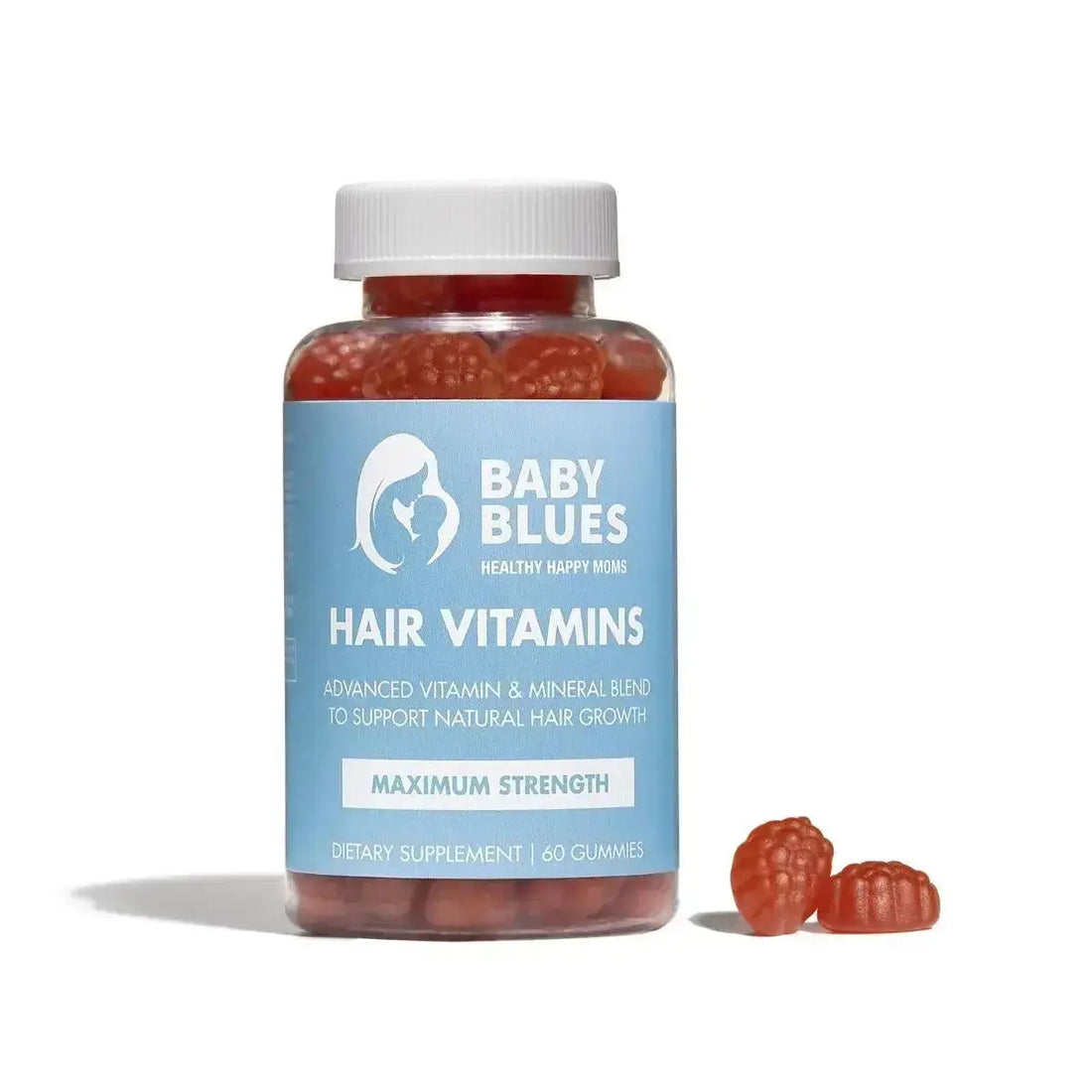
4. Why Does Postpartum Hair Loss Happen?
The primary cause of postpartum hair loss is the drop in estrogen levels after childbirth. Let’s take a deeper look at the factors involved:
- Hormonal Fluctuations: During pregnancy, your estrogen levels are high, which extends the anagen (growth) phase of your hair cycle. When your hormones drop after birth, the hair moves into the telogen (resting) phase more quickly, causing shedding.
- Telogen Effluvium: This is the medical term for excessive hair shedding. It happens when a large number of hair follicles suddenly enter the shedding phase, causing clumps of hair to fall out.
- Stress and Fatigue: Caring for a newborn, dealing with sleepless nights, and managing your own recovery all contribute to heightened stress. Stress can exacerbate hair loss or even contribute to it in some cases.
- Nutritional Deficiencies: The demands of pregnancy and childbirth can deplete your body of essential nutrients that support healthy hair. Deficiencies in iron, zinc, biotin, and vitamin D can slow down hair regrowth.
5. Can You Prevent Postpartum Hair Loss?
While you can’t fully prevent postpartum hair loss, there are things you can do to help minimize the shedding and support healthier hair growth:
- Gentle Hair Care Practices: Avoid tight hairstyles like ponytails, buns, or braids that tug on the hair and lead to breakage. Instead, try loose styles that won’t put unnecessary strain on your strands.
- Use Volume-Boosting Products: Look for shampoos and conditioners that help thicken your hair and promote volume. Be sure to avoid heavy products that weigh your hair down.
- Nutrient-Rich Diet: Your diet plays a huge role in hair health. Make sure to include plenty of iron-rich foods (like spinach, red meat, and beans), biotin (found in eggs and nuts), vitamin D (from fatty fish), and omega-3 fatty acids (from salmon, flaxseed, and walnuts). A balanced diet will give your body the building blocks it needs to support healthy hair growth.
- Take Hair-Supporting Supplements: Consider taking postpartum hair vitamins like Baby Blues Postpartum Hair Loss Vitamins, which are formulated to help nourish your hair with essential nutrients like biotin, collagen, and vitamin D. These can help support regrowth and reduce the stress on your hair follicles caused by nutritional gaps.
- Stress Management: High levels of stress can contribute to excessive hair shedding. Incorporating stress-reducing practices, such as deep breathing, yoga, or simply taking time for yourself (even if it’s just a 10-minute bath), can help reduce the effects of stress on your hair.
6. How to Manage Postpartum Hair Loss (Practical Tips)
While you can’t fully stop postpartum hair loss, there are plenty of ways to manage it and reduce its impact:
Hair Care Routine
- Use a Gentle Shampoo: Avoid harsh chemicals and shampoos with sulfates, which can strip your hair of natural oils. Opt for mild, volumizing shampoos that help make your hair appear fuller.
- Avoid Heat Styling: Excessive heat can cause damage to already fragile hair. Try air-drying your hair or using lower heat settings when you do use styling tools.
- Comb Gently: Use a wide-tooth comb to detangle your hair to prevent breakage. Always comb your hair while it’s wet to avoid further damage.
Nutritional Support
Ready to support your hair through postpartum recovery?
Thousands of new moms trust Baby Blues Postpartum Hair Vitamins to replenish the nutrients lost in pregnancy and help speed up regrowth. If you're looking for a gentle, effective way to nourish your hair from the inside out, take a peek at the vitamins made just for this season of life. You deserve to feel confident again — and we’re here to help you get there.
Get Now- Eat a Balanced Diet: As mentioned, focus on foods rich in vitamins and minerals like biotin (eggs, avocados), iron (spinach, lentils), and vitamin C (citrus fruits, peppers) to support your hair’s health from the inside out.
- Take Postpartum Hair Vitamins: Baby Blues Postpartum Hair Vitamins are specially designed to provide nutrients that support hair regrowth, like biotin and collagen. Taking these supplements can give your hair the nutrients it needs to thrive and regrow faster.
Stay Hydrated and Rested
- Hydrate: Drinking enough water helps maintain scalp health, which is essential for hair growth.
- Get Sleep: Although it’s easier said than done with a newborn, adequate rest is key for hair recovery. Try to nap when the baby sleeps and accept help from loved ones when you can.
7. When Should You Seek Professional Help?
Most postpartum hair loss is temporary and resolves on its own, but if you notice extreme thinning, bald patches, or severe shedding that doesn’t seem to stop after a year, it’s worth seeking professional help.
Some underlying health conditions that can cause prolonged hair loss include:
- Thyroid imbalances: Postpartum thyroiditis or hypothyroidism can affect hair growth.
- Iron deficiency: Low iron levels (common in postpartum women) can slow down hair regrowth.
- Alopecia areata: A condition where your immune system mistakenly attacks hair follicles.
If you're unsure or notice signs of abnormal hair loss, a consultation with your doctor or a dermatologist can help you identify any underlying health issues that need to be addressed.
8. The Role of Postpartum Hair Vitamins in Regrowth
Hair vitamins play a crucial role in supporting your hair’s recovery after pregnancy. While it’s essential to maintain a healthy diet, sometimes it’s difficult to get all the necessary nutrients just from food. Baby Blues Postpartum Hair Vitamins are designed to support hair regrowth by providing a potent blend of nutrients, including:
- Biotin: Known for its role in promoting hair growth and strengthening hair strands.
- Collagen: Supports the structure of your hair, giving it a fuller appearance.
- Vitamin D: Essential for hair follicle health and a crucial nutrient postpartum.
By taking a specialized supplement like Baby Blues Postpartum Hair Vitamins, you can fill nutritional gaps and give your hair the best chance at regrowing more quickly and healthily.
9. What to Expect as Your Hair Recovers
It’s important to remember that hair regrowth is a gradual process. While you may notice some new baby hairs popping up after a few months, your hair will take time to return to its pre-pregnancy state. The first 6 months are usually the most challenging, but with the right care and patience, your hair will eventually catch up.
The key is to stay consistent with your hair care routine, nutrition, and supplements, and understand that regrowth will come, but it takes time.
Conclusion
Postpartum hair loss is a completely normal part of recovery, and while it can be frustrating, it’s not permanent. By understanding why it happens, when it starts, and how long it lasts, you can better manage the process and support your hair as it recovers.
Remember, your body is doing amazing things, and your hair will catch up soon enough. In the meantime, nourish your hair with a balanced diet, gentle care, and supplements like Baby Blues Postpartum Hair Vitamins to support the regrowth process.
And most importantly, be patient with yourself. You’ve just brought a beautiful new life into the world you’re doing great, and your hair will be back before you know it!


