


The postpartum period is a journey one filled with ups and downs, changes, and moments of self-doubt. If you’re navigating the 9 to 12 months postpartum stage, it’s likely that your hair has been through quite a lot. Between shedding, thinning, and the natural changes your body has undergone, it can feel overwhelming when your hair still doesn’t feel like “you.”
But here’s the good news: If you’re in this phase, it’s the turning point. Regrowth is beginning, and the shedding has likely slowed down. As new growth comes in, your hair is moving into the final phase of recovery. The road to full regrowth can still take a little time, but with the right tools, patience, and care, you’ll be feeling like yourself again soon.
In this article, we’ll explore what to expect from 9 to 12 months postpartum, how to support your hair’s regrowth, and how to manage both the physical and emotional aspects of hair recovery.
1. What to Expect During 9-12 Months Postpartum
By the time you reach the 9-12 month mark, your body has largely adjusted to the hormonal shifts that occur after childbirth. Estrogen, which was elevated during pregnancy to support the baby, has returned to its pre-pregnancy levels. As a result, many women begin to notice that the intense shedding they experienced earlier on has significantly slowed down.
The hair follicles that were once shedding excessively are now transitioning back into the growth phase, and you may start to notice baby hairs sprouting along your hairline, temples, or crown. These fine, soft hairs are a positive sign of regrowth. This is an exciting time, but it’s important to understand that hair regrowth is a gradual process, and full restoration to your original hair volume may take time.
Visible Signs of Change
While you might feel like your hair is still thinner than it was before pregnancy, it’s normal to see baby hairs popping up. Baby hairs are a sign that your follicles are active and moving through the natural hair cycle, so celebrate these small victories! These hairs will gradually grow longer and become thicker, ultimately blending with the rest of your hair.
However, it’s also normal for your hair to look uneven at this point. Some areas of your scalp may still feel sparse, and your regrowth may be fine or fragile. But rest assured, this phase will pass as your hair continues to recover.
2. How to Support Hair Regrowth
Supporting your hair’s regrowth during the 9-12 month phase goes beyond just shampooing and conditioning; it's about nourishing your body with the right nutrients.
Hair is made up of keratin, a protein, and it needs the right vitamins and minerals to grow strong and healthy.
- Biotin: This B-vitamin plays a crucial role in the health of your hair. Biotin helps produce keratin and is widely used in hair growth supplements. Eating biotin-rich foods like eggs, nuts, and avocados can promote stronger, thicker hair. Baby Blues Postpartum Hair Vitamins are formulated with biotin to support hair regrowth during this phase.
- Collagen: Collagen is a protein that supports the elasticity and structure of hair. Your body produces collagen naturally, but the levels decrease as you age. Consuming collagen can help improve hair texture and strength. You can find collagen in foods like bone broth, chicken skin, and collagen supplements. Baby Blues Postpartum Hair Vitamins contain collagen to help nourish your hair from within and improve its strength.
- Vitamin C: Vitamin C is essential for collagen production, which in turn supports hair growth. It’s also a powerful antioxidant that helps protect hair follicles from damage. Citrus fruits like oranges, grapefruits, and strawberries, as well as bell peppers, are great sources of Vitamin C.
- Folate (Vitamin B9): Folate helps promote cell regeneration, which includes regenerating hair follicles. It is essential for healthy hair growth and can be found in leafy greens, beans, and fortified cereals.
Ready to Support Your Hair?
Baby Blues Postpartum Hair Vitamins are designed to support new moms during their postpartum hair regrowth journey. These vitamins are packed with biotin, collagen, and other essential nutrients that help promote hair strength, reduce shedding, and support overall recovery. Adding these vitamins to your daily routine can help give your hair the nutritional boost it needs during this critical time.
Buy Now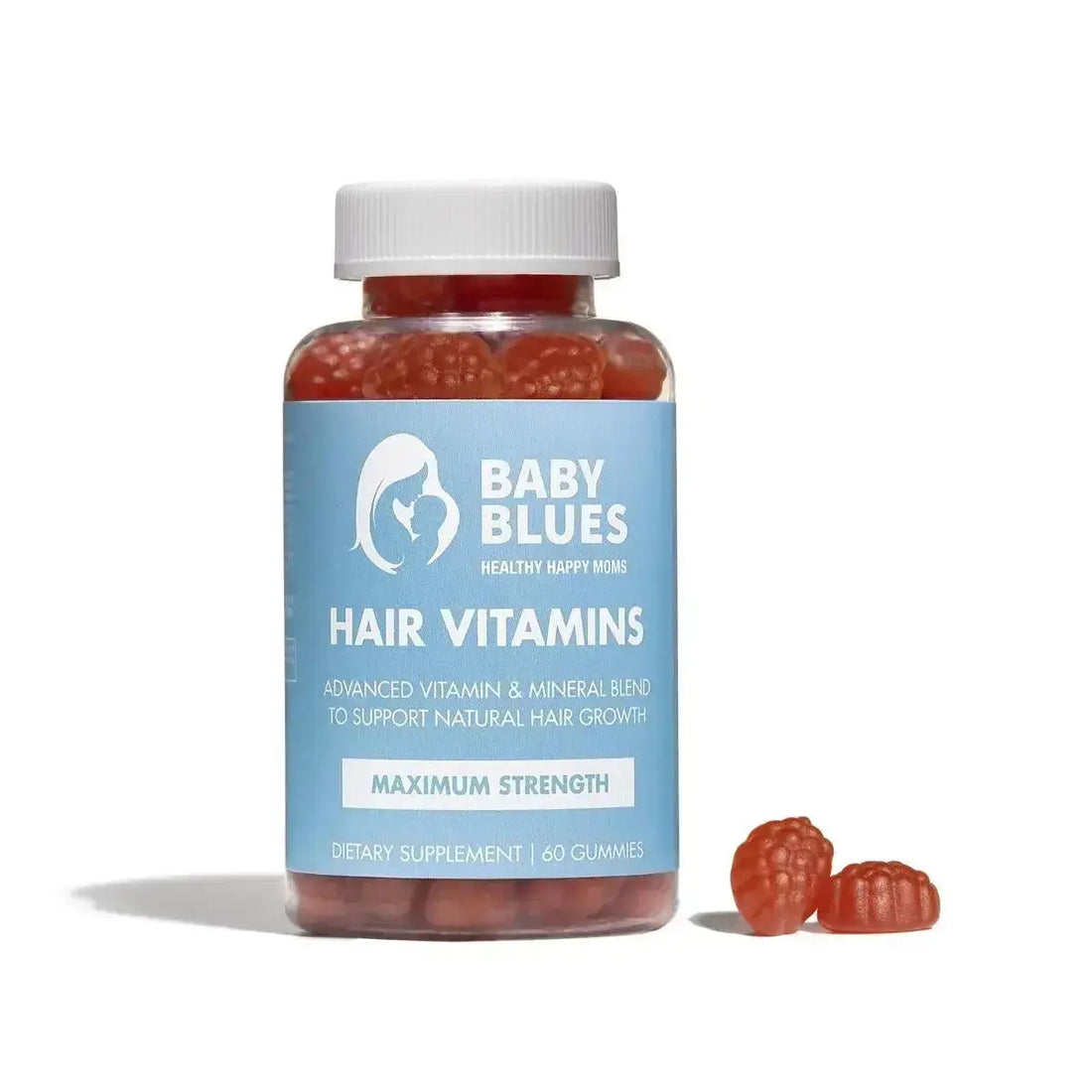
3. Managing Stress During Hair Regrowth
It’s no secret that the postpartum period can be stressful. Between taking care of a newborn, adjusting to new routines, and recovering from childbirth, stress levels can run high. Unfortunately, stress is a key factor that can exacerbate hair loss. Elevated levels of cortisol, the stress hormone, can push hair follicles into the shedding phase, slowing down regrowth and contributing to thinning.
How to Manage Stress for Healthier Hair
- Practice Mindfulness: Taking a few minutes each day to practice mindfulness or meditation can significantly lower stress levels. Even just a few minutes of deep breathing exercises can help reduce cortisol levels and provide relief during the day. Apps like Headspace or Calm offer simple guided sessions that are perfect for new moms.
- Exercise: Exercise is one of the best ways to combat stress. Whether it’s going for a walk, doing postpartum yoga, or just stretching, moving your body can help regulate stress and boost your mood. Exercise also improves blood circulation, which benefits your hair follicles.
- Sleep: Sleep is often a rare commodity during the postpartum phase, but it’s essential for regulating your hormones and stress levels. Try to prioritize rest when you can, whether that’s napping when your baby sleeps or asking for help from a partner or family member to give you a few hours of uninterrupted rest.
4. Gentle Hair Care Practices for 9-12 Months
As your hair starts to regrow, it’s essential to protect it from further damage. Here’s how you can take care of your hair to avoid breakage and promote healthy growth:
- Use Sulfate-Free Shampoos: Sulfates can strip natural oils from your hair, leaving it dry and brittle. Choose sulfate-free shampoos that are hydrating and nourishing to protect your hair while it’s in a more fragile state.
- Avoid Tight Hairstyles: Tight hairstyles, such as ponytails and braids, can place unnecessary stress on your hair and scalp, leading to breakage and traction alopecia. Opt for looser, gentler styles, or let your hair air dry when possible.
- Limit Heat Styling: Excessive heat styling can weaken the hair and cause more breakage, especially when it’s still fragile from the shedding phase. Try to avoid flat irons, curling irons, and blow dryers, or use them sparingly and with a heat protectant spray to minimize damage.
Scalp Care
A healthy scalp is essential for healthy hair growth. Use gentle scalp massages to increase blood circulation, which helps nourish hair follicles. You can massage your scalp with natural oils like coconut oil or argan oil to improve circulation while also moisturizing the scalp.
5. Managing Your Expectations During Regrowth
Hair regrowth takes time. Even though you may notice baby hairs coming in, your hair won’t return to its previous fullness overnight. It's important to remain patient and manage your expectations. Some women see noticeable progress after 9-12 months, but it may take longer for others.
Celebrate Small Wins
Look for signs of progress, such as less shedding, new baby hairs, and overall healthier hair. These small victories show that your body is healing, and your hair is gradually returning to its full strength. Even though it might feel like a slow process, each step is a sign of improvement.
6. When to Seek Professional Help
While postpartum hair shedding is normal, there are times when it’s important to seek medical help. If your hair loss seems excessive or continues beyond 12 months, or if you notice bald patches or patchy thinning, it’s a good idea to consult with a healthcare provider. This could indicate an underlying condition like alopecia or thyroid issues that requires medical attention.
Consulting a Dermatologist
A dermatologist can help determine if your hair loss is related to postpartum changes or if there’s another underlying issue causing excessive shedding. They may recommend treatments, such as topical solutions, medications, or other therapies, to help with regrowth.
Conclusion:
As you approach the 9-12 month postpartum phase, remember that you’re well on your way to full hair recovery. This stage marks the beginning of regrowth, and while the process takes time, the signs of progress are already visible. Keep supporting your hair with proper care, the right nutrients, and patience. Don’t forget that Baby Blues Postpartum Hair Vitamins are here to help provide essential support to your hair during this important stage.
You’re not alone in this journey, and with time, your hair will return to its natural strength and fullness. Keep going, you've got this!


