


Postpartum hair loss is something nearly every new mom experiences. It’s completely normal, but it can still feel overwhelming. You’ve just brought a new life into the world, and then, out of nowhere, your hair starts shedding sometimes in clumps. If you’re struggling with postpartum hair loss, you’re not alone. It’s a temporary phase, but that doesn’t mean it’s easy to go through. Fortunately, the right shampoo, along with a few other simple tips, can help you take control of the situation and encourage regrowth.
In this article, we’ll explore the causes of postpartum hair loss, how to choose the right shampoo, the best ingredients to look for, and offer product recommendations. Plus, we’ll share some expert tips to help you manage hair regrowth, including the benefits of postpartum hair loss vitamins.
Understanding Postpartum Hair Loss
If you're finding more strands in your hairbrush or noticing hair all over the bathroom floor, it can feel like a shock, but postpartum hair loss is completely normal. After giving birth, the hormonal changes in your body cause your hair to enter the telogen phase (the resting phase), which leads to shedding. This is part of the body’s natural process, where more hair falls out than usual, often starting around 2-3 months postpartum. Don’t worry though this is usually temporary, and your hair will typically start regrowing within 6 months.
The drop in estrogen and progesterone after childbirth plays a significant role in triggering this shedding, so it’s not something you did or didn’t do it’s just your body adjusting. The good news is, with the right care, your hair will return to normal, and you can even boost the process with some extra support.
Why Postpartum Hair Loss Happens
Postpartum hair loss occurs primarily due to hormonal fluctuations. When you’re pregnant, your hormones increase significantly, keeping your hair in the growth phase longer than usual. After birth, the drop in hormones causes your hair to shed as it transitions back into the normal cycle.
Here’s a quick breakdown of the process:
-
Pregnancy: Elevated estrogen keeps hair in the growth phase for longer, leading to thicker hair.
-
Postpartum: The sudden drop in estrogen causes the hair to shift into the resting phase and eventually shed.
-
Telogen Effluvium: This is the medical term for the shedding process, and it’s most common during the first few months postpartum.
While the hair loss may feel like a major setback, remember that it's temporary. Hair usually begins regrowing in 6-12 months, though it can vary from person to person.
How to Choose the Right Shampoo for Postpartum Hair Loss
When you're dealing with postpartum hair loss, using the right shampoo is essential for both scalp health and stimulating hair regrowth. The right shampoo helps nourish the scalp, strengthen hair, and prevent further breakage.
Here are a few key things to look for when choosing the best shampoo for postpartum hair loss:
-
Volumizing and Thickening Properties: These shampoos help give the appearance of fuller hair, which can be a big confidence booster during this time.
-
Hydrating and Nourishing Ingredients: Your hair and scalp might be more sensitive during this period, so it’s essential to look for shampoos with moisturizing and soothing properties.
-
Non-Irritating, Sulfate-Free Formulas: Sulfates can strip natural oils and irritate the scalp, which is not ideal for postpartum hair care.
-
Scalp Stimulating Ingredients: Look for shampoos with ingredients like biotin, caffeine, and ginseng, which promote circulation and stimulate hair follicles.
Ingredients to Look for in the Best Shampoos for Postpartum Hair Loss
When choosing a shampoo, you’ll want to ensure that it contains ingredients known to help with hair regrowth and scalp health. Here are the most important ones to keep an eye out for:
-
Biotin: Biotin is a water-soluble vitamin that’s essential for hair health. It strengthens hair and promotes growth by supporting keratin production. This is a key ingredient in many shampoos for postpartum hair loss.
-
Caffeine: Caffeine stimulates the hair follicles and encourages hair growth by improving blood flow to the scalp. This is why many hair loss shampoos include caffeine; it helps energize the roots and supports new growth.
-
Keratin: This protein is a key structural component of hair. Shampoos with keratin help repair damaged hair, reduce breakage, and improve hair texture, making it a great ingredient for postpartum hair care.
-
Collagen: Collagen is an important protein for maintaining healthy skin, hair, and nails. In shampoos, collagen helps to add volume and elasticity to the hair, which can be especially helpful if your hair has become limp or thin due to postpartum shedding.
-
Peppermint Oil: Known for its cooling sensation, peppermint oil also stimulates circulation in the scalp, encouraging hair growth.
-
Vitamin E & Castor Oil: These ingredients help nourish and strengthen hair follicles, which can improve overall hair health and stimulate growth.
Ingredients to Avoid
While it’s important to know what to look for in a shampoo, it’s equally important to avoid ingredients that can do more harm than good. Here are the ingredients you should steer clear of when dealing with postpartum hair loss:
-
Sulfates: These harsh detergents can strip natural oils from your scalp, leading to dryness, irritation, and more hair breakage. Look for sulfate-free shampoos instead.
-
Parabens: These preservatives are often used in personal care products but can disrupt your endocrine system and lead to scalp irritation over time.
-
Silicones: While silicones can make your hair look shiny and smooth, they can also cause buildup on the scalp, which can weigh your hair down and hinder growth.
-
High Alcohol Content: Alcohol-based products can dry out your hair and scalp, which may lead to more breakage, especially when your hair is already fragile.
Top Shampoos for Postpartum Hair Loss
We’ve done the research for you, and here’s a list of the best shampoos that are ideal for postpartum hair loss in 2026:
-
OGX Biotin & Collagen Shampoo: This shampoo contains biotin and collagen, two of the best ingredients for promoting hair strength and volume. It helps thicken hair while nourishing it with essential nutrients.
-
Pura D’or Anti-Thinning Shampoo: A great option for those looking for a natural, sulfate-free shampoo. Pura D’or contains biotin, argan oil, and other natural ingredients that work together to strengthen hair and reduce thinning.
-
Living Proof Full Shampoo: Known for adding body and fullness to fine hair, this shampoo strengthens hair without weighing it down, making it a great choice for postpartum moms looking for volume.
-
Nioxin System 2 Cleanser Shampoo: Specifically designed for thinning hair, Nioxin removes buildup on the scalp while providing essential nutrients to stimulate hair regrowth.
-
Kérastase Densifique Shampoo: If you're looking for a premium option, this shampoo increases hair density and restores thickness with ingredients like stemoxydine and hyaluronic acid.
-
Alpecin Caffeine Shampoo: This shampoo uses caffeine to stimulate hair follicles and prevent hair loss. It's a great option for anyone experiencing postpartum shedding.
-
Briogeo Blossom & Bloom Ginseng + Biotin Shampoo: A natural option that boosts hair growth with ginseng and biotin, while also providing moisture to prevent dryness.
Expert Recommendations: Additional Tips for Maximizing Hair Growth
Along with using the right shampoo, there are several other things you can do to help encourage hair regrowth and reduce hair loss:
-
Gentle Hair Care Practices: Avoid tight hairstyles like ponytails and buns, as they can pull on your hair and cause breakage. Use a wide-tooth comb to detangle your hair gently and reduce the risk of damage.
-
Nutrition: Eating a diet rich in essential nutrients like biotin, iron, zinc, and vitamin D is crucial for hair regrowth. Incorporate leafy greens, eggs, nuts, and other nutrient-dense foods to support healthy hair.
-
Postpartum Hair Loss Vitamins: Postpartum hair loss vitamins are specially formulated to help replenish the nutrients lost during pregnancy and childbirth. Look for supplements that contain biotin, collagen, and other hair-boosting ingredients.
- Baby Blues Postpartum Hair Vitamins: These vitamins contain a potent mix of biotin, collagen, and other essential nutrients to help accelerate hair regrowth and keep your hair healthy.
Reclaim Your Hair with Baby Blues Postpartum Hair Vitamins
Struggling with postpartum hair loss? You don’t have to go through it alone. Baby Blues Postpartum Hair Vitamins are specially formulated to help you combat hair thinning and support healthy regrowth during the postpartum phase. Packed with biotin, collagen, and essential nutrients, our gummies are designed to restore your hair’s strength, volume, and shine. Start your journey to fuller hair today with Baby Blues Postpartum Hair Vitamins. Join the thousands of moms who trust us to support their hair recovery.
Shop Now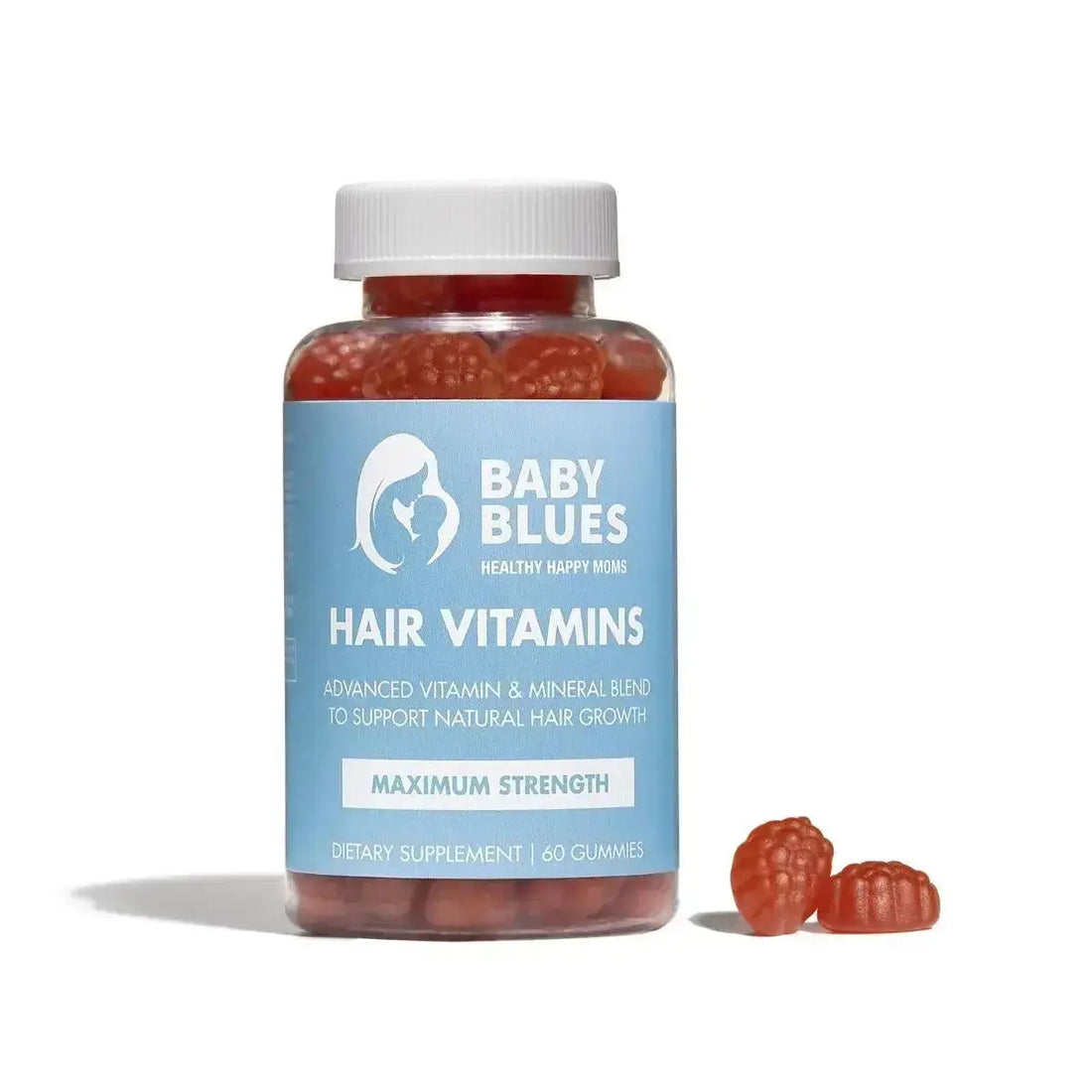
-
Scalp Massage: A gentle scalp massage can improve blood circulation to the hair follicles, encouraging faster growth. Make it a daily habit to massage your scalp for a few minutes while washing your hair.
-
Hydration & Stress Management: Drink plenty of water and find ways to manage stress. High stress levels can exacerbate hair loss, so taking time for self-care will help both your hair and overall well-being.
How Long Before You See Results?
Most new moms will start to notice hair regrowth within 4-6 months. Keep in mind that hair regrowth is a slow process and can vary from person to person. Be patient with your body and your hair, and continue following your hair care routine consistently. If you stick to it, your hair will be back to its full thickness in no time.
Conclusion
Postpartum hair loss can feel like a setback, but remember, it’s temporary. With the right care, the right shampoo, and some patience, your hair will return to its normal state. Don’t let the shedding phase get you down. There are plenty of ways to support your hair through this challenging time. Whether it’s using the best shampoo for postpartum hair loss, taking the right supplements, or making small lifestyle changes, you’ve got this!


